
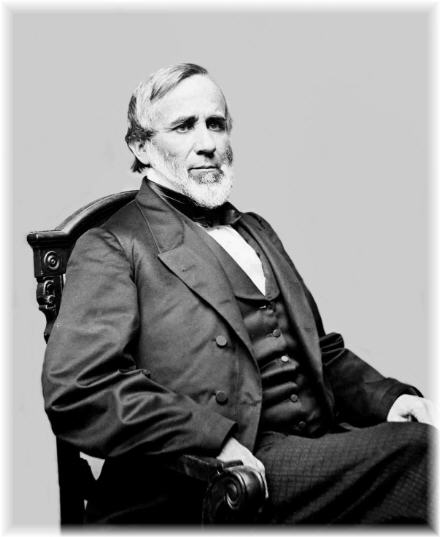
The Honorable John
Woodland Crisfield
1808-1897
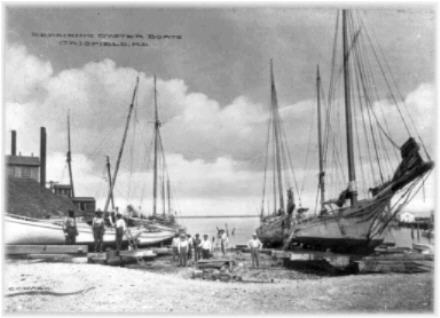
Skipjacks
on the Railway
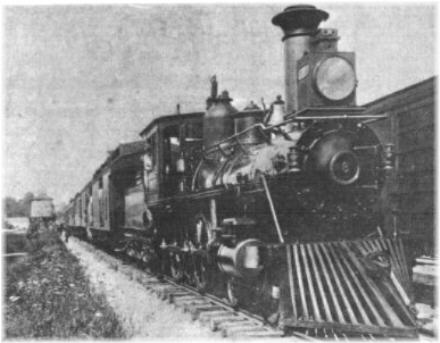
Engineer Landon at Crisfield Station

City of Norfolk
at the Crisfield Depot
Steamboats connected with the
railroad at the depot. Barrels of seafood, fruits and vegetables were
transferred from boat to train car on this dock. In the photo above you can
see a side wheeler steam boat and a steam locomotive as well as barrels of
produce.
Philip L. Goldsborough Feb 2008
All rights reserved goldmar
Sources: Philip L. Goldsborough local historian
History of Crisfield, Woodrow T. Wilson
Somerset County land records
Community Economic inventory MDED 1963
Mr. Fletcher R. Hall, F. R. Hall & Associates, LLC Chairman & CEO
United States, Library of Congress, Washington DC.
Note: Dr. William
Fletcher Hall is buried in the Crisfield Cemetery
at the corner of Chesapeake and Somerset Ave. in the family burial lot.
Center-rear section enclosed by an iron fence. P.L.G. 2010
During the colonial period the
area was sparsely populated by Native Americans and English settlers.
Maryland being a proprietary colony gave ownership of the land to the
Calvert Family (Colonial Governors) who in turn could grant land to settlers
in the form of a patent or land grant. The patentee could receive hundreds
of acres of land for moving into the colony and
Crisfield would probably have retained the name Somers Cove or Annemessex but for a trifling accident which befell the Honorable John Woodland Crisfield, a leader of the Somerset Bar and Member of Congress from the District. Mr. Crisfield was also involved with the railroad, and during an inspection tour of the docks, he was walking along a shaky old foot way which led to the Steamboat landing. The story goes that one of those old boards gave way and the distinguished lawyer and statesman landed in the cold waters of the Annemessex River. With much difficulty he was fished out, not much the worse for his ducking, but his clients sought to mollify his wrath, and on the spot christened the future City of Crisfield. The railroad was completed around 1866 forming a link between the Steamboat Service and Train Service to all the major cities of the northeast. The last half mile of the rail was placed on piles and trestles across the marsh land to the deep water of the River.
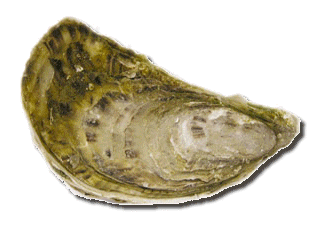
Crisfield received its Charter from the Maryland Legislature forming the town in 1872, and began its advance to the river and deeper water. Most of the first houses built were placed on piles over marsh or water. To fill the swamp land, oyster shells were used. Today from the center of the town to the city docks is man—made land of billions of oyster shells crushed compactly together forming the foundation of the larger part of the business section of the city. The location of many of the larger packing houses is “made” ground of packed oyster shells and it is as firm as the Rock of Gibraltar.
The late 1800’s was the era of the steamboat and Crisfield had regular steamer service sailing from Norfolk to Crisfield and from Crisfield to Baltimore. By 1910, the Custom House at Crisfield had the largest list of sailing vessels of any port in the United States, and became a port of entry. In 1910 Crisfield abandoned its early form of Commissioner Government that had served the community since 1872. Doctor William Fletcher Hall a practicing physician in the city was elected the first Mayor. W. Jerome Sterling, Edward P. Wyatt, and Benjamin F. Gibson were elected as Councilman and William E. Daugherty was appointed Clerk-treasurer. Today ferries from Smith and Tangier Islands and hundreds of work boats travel in and out of Crisfield harbor carrying passengers, oysters, crabs and other seafood. Crisfield is still a great port to visit and we are grateful for the many visitors that arrive by cruise ship, private yacht, buses, cars and yes even airplanes.
Crisfield people find pleasure as well as their livelihood on the water. The fishing grounds adjacent to the city are unequalled. Tangier Sound, situated on one side of the peninsula on which Crisfield is located, offers one of the finest courses for sailing yachts and motor boats in the world.
The “early history” of Crisfield is in its people. The courteous and respectful treatment of visitors, the slow and easy but thorough way of doing things which is rapidly disappearing from the American scene, is still very much in evidence in this virgin territory. Past customs and speech are not forgotten but are cultivated for future generations.
Crisfield's history is probably not any different than many other ports on the Chesapeake, but to the residents of this once busy sea port it is the birthplace of a nation and what we call home. Our city continues to grow in the 21st Century as new condos replace old Seafood plants. It is our challenge to grow with a reverence for our past and those who struggled to build this city on the Bay.

Back to Crisfield home page Page updated 10/2025